schedule a free consultation: 281-401-8736 | care@EMILAHOMECARE.COM

How To Know When Home Care May Be The Right Choice For Your Loved One
Unsure when home care is needed? This guide helps families recognize early warning signs, safety concerns, and caregiver burnout, and explains how non-medical home care can help.
12/26/20253 min read
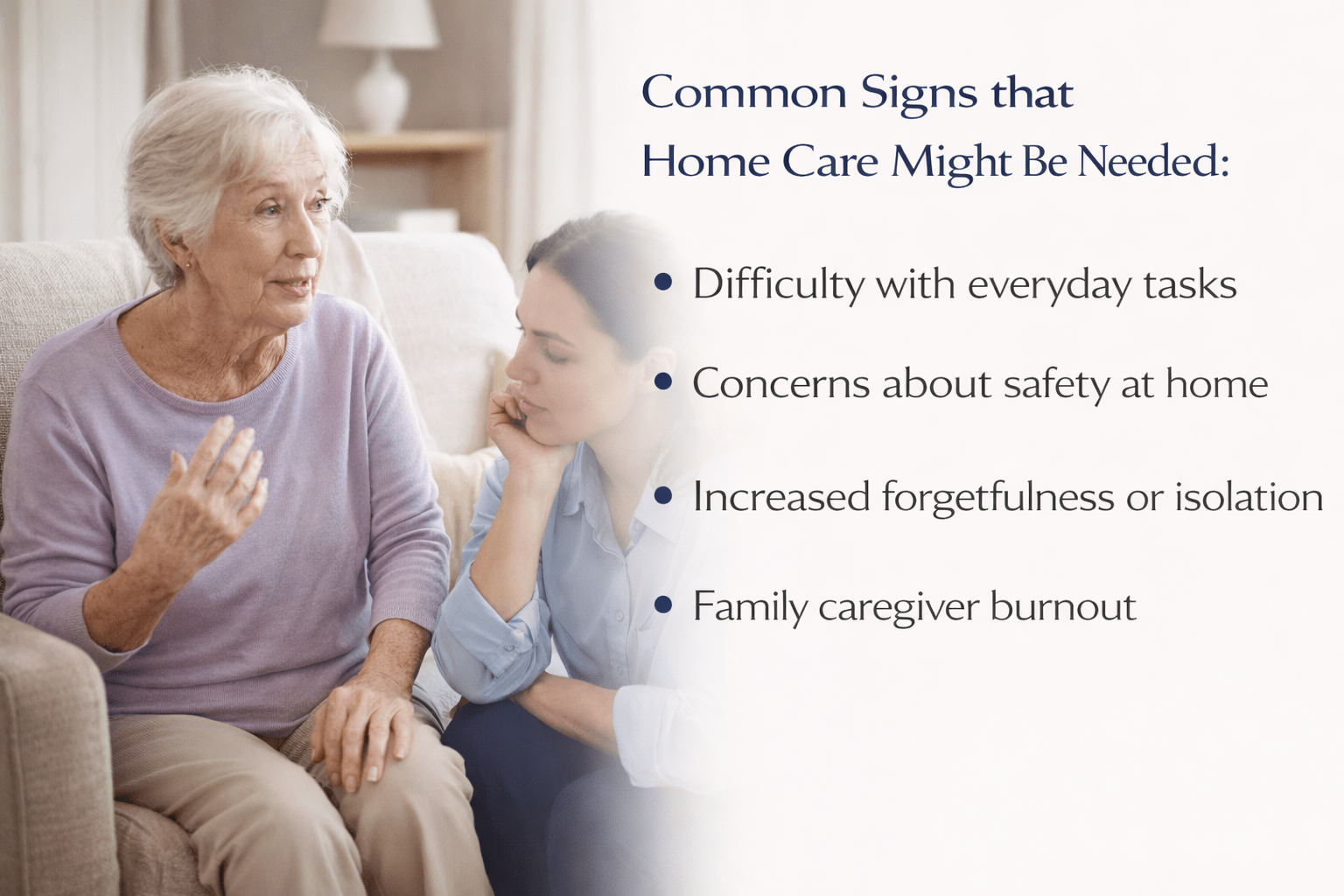
Recognizing when a loved one needs extra support is rarely easy. For many families, the decision to seek home care comes after months, or even years of trying to manage everything on their own. Feelings of guilt, uncertainty, and fear of “doing too much too soon” are common.
However, home care is not about taking away independence. In many cases, it is about preserving independence safely, while easing the physical and emotional burden on both the individual and their family.
Understanding the signs and knowing what to look for can help families make thoughtful, proactive decisions before a crisis occurs.
Subtle Changes Often Come First
The need for home care doesn’t always begin with a major medical event. More often, families notice small but consistent changes over time, such as:
Difficulty keeping up with personal hygiene or grooming
Forgetting meals or relying heavily on convenience foods
Unsteady walking, increased falls, or fear of moving around the home
Missed appointments or confusion about schedules
Growing isolation or withdrawal from social activities
These changes may seem minor on their own, but together they can signal that daily life is becoming more challenging.
Safety Concerns at Home
One of the most important reasons families consider home care is safety. Hazards such as slippery floors, stairs, clutter, or poor lighting can quickly become dangerous for someone with limited mobility or balance.
Warning signs may include:
Unexplained bruises or frequent falls
Burnt cookware or forgotten appliances
Difficulty getting in and out of bed or chairs
Trouble managing medications independently
Non-medical home care provides supervision and assistance that helps reduce these risks while allowing individuals to remain in familiar surroundings.
Changes in Memory or Behavior
Memory changes can be especially concerning for families. Occasional forgetfulness is normal, but repeated confusion, missed medications, or difficulty following routines may indicate the need for additional support.
Families may notice:
Repeating the same questions
Forgetting familiar names or places
Increased anxiety, agitation, or frustration
Difficulty managing daily tasks independently
Home care can offer structured routines, gentle reminders, and calm reassurance, helping individuals feel more secure while supporting families who may be feeling overwhelmed.
Caregiver Burnout Is a Real Sign
Sometimes, the clearest indicator that home care may be needed is not the condition of the loved one, but the well-being of the family caregiver.
Caregiving can be physically exhausting and emotionally demanding, especially when balancing work, family responsibilities, and personal health. Signs of caregiver burnout may include:
Chronic fatigue or stress
Feeling overwhelmed or irritable
Difficulty keeping up with responsibilities
Guilt about not “doing enough”
Seeking home care is not a failure, it is a step toward sustainable support that benefits everyone involved.
Home Care Supports Independence, Not Dependency
One common misconception is that accepting home care means giving up independence. In reality, the opposite is often true.
Non-medical home care focuses on:
Supporting daily routines
Encouraging independence where possible
Providing assistance only where needed
Respecting personal preferences and dignity
With the right level of support, many individuals are able to remain active, engaged, and confident in their own homes for longer.
When to Start the Conversation
Families don’t need to wait for an emergency to explore home care. In fact, early conversations often lead to better outcomes. Starting care before challenges become overwhelming allows time to:
Build trust with caregivers
Establish consistent routines
Adjust care gradually as needs change
Home care works best when it is proactive rather than reactive.
Moving Forward With Confidence
Choosing home care is a deeply personal decision. It requires balancing emotional considerations with practical needs and safety concerns. Families deserve clear information, compassionate guidance, and support that feels respectful, not rushed.
At Emila Home Care, we understand these decisions because we have faced them ourselves, both professionally and personally. Our approach is calm, thoughtful, and centered on dignity, independence, and peace of mind for families.
If you’re unsure whether home care is the right next step, asking questions and exploring options is a powerful place to begin.
Important Note
Emila Home Care provides non-medical in-home care services. Individual needs and circumstances may vary.
Emila Home Care
(281) 401-8736
ADDRESS
care@emilahomecare.com
28522 Blue Holly Lane Katy, TX 77494
Get Care Today!
Emila Home Care is a non-medical home care agency. Services are provided in accordance with Texas HHSC guidelines.
Office Hours: Mon - Fri (9am - 5pm)
Available on call 24/7
Service Areas: Katy, Fulshear, Brookshire, Richmond, Sugarland, Rosenberg, Cypress and Houston surrounding areas.